Starting Seeds Without Killing Them
How To Improve Germination Success In Your Grow
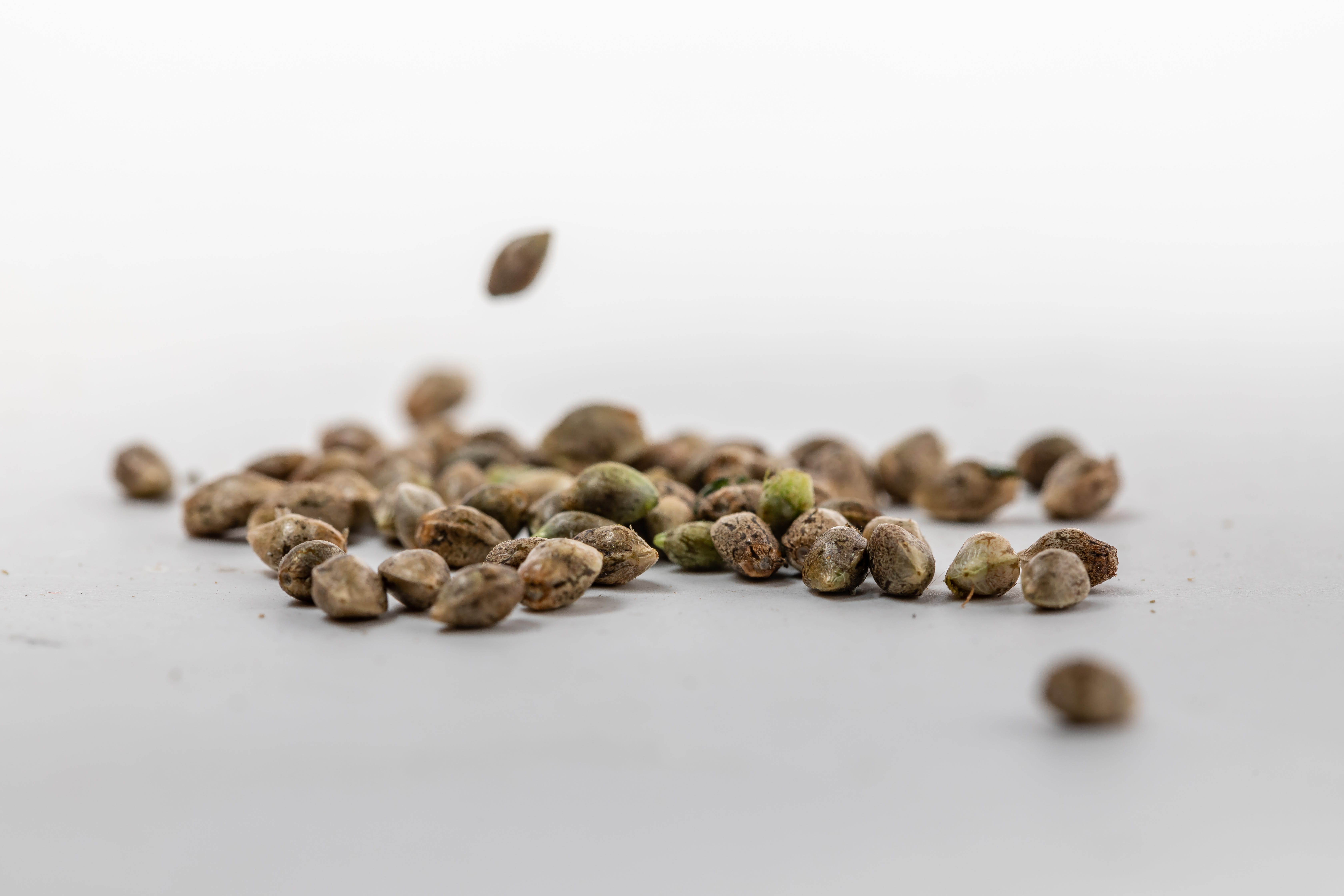
High germination rates depend on attention to detail, patience, and deliberate execution.
Most seed failures result from small variables that drift during germination. When these variables are controlled, germination becomes predictable across different seed sources, genetics, and ages.
For the most consistent results, treat every seed with the same level of care you’d use for old or sensitive seeds.
Germination Basics
Germination occurs in two phases: the seed actually cracking open, and the resulting sprout beginning to establish itself.
Cracking the Seed
The first phase focuses on hydration and oxygen exchange. The seed absorbs water through shell membrane, enzymes activate as metabolism kicks in, and it eventually sheds the protection of its shell.
Oxygen availability determines how smoothly this process progresses. Excess moisture stifles oxygen on the seed’s surface and encourages pathogens that thrive in anaerobic conditions;; underwatering prevents proper hydration. Either condition can delay or stop germination before the shell opens.
Seed Establishment
Once the shell opens, the seed enters its most vulnerable stage. Root tissue is undeveloped and resistance to pathogens is low. Moisture tolerance narrows sharply during this window.
Losses during germination usually occur here. Small changes in moisture or environment have outsized effects after the shell opens. Overwatering leads to rot and damping off; underwatering causes dehydration and stalled growth.
4 Important Environmental Variables to Consider
1. Substrate Quality
Substrate porosity and moisture levels influence germination more than anything else.
Seeds require oxygen at the root zone during early establishment. Dense or saturated substrates restrict air exchange and increase failure rates.
We have found that coco performs well because it is sterile, consistent, and highly aerated when fluffed correctly.
Pure coco provides predictable moisture behavior across seed types. Soil’s shortcoming is that it introduces microbial variability. Rockwool is great for sterility but often holds water longer than some seeds tolerate. Both can work, though each reduces margin for error during early stages.
2. Moisture Management
Moisture remains the most common point of failure.
Excess water promotes rot and damping off. Insufficient moisture dries emerging roots and halts growth. The viable range between these states is narrow and can shift quickly if left unattended.
Successful moisture management during germination depends on frequent observation and small adjustments.
3. Planting Depth
Planting depth determines how much energy it takes your seed to emerge.
Deeper planting increases energy demand and delays emergence, often mistaken for failures when seeds are tossed before they reach the surface. Shallow placement favors seeds with limited vigor (can be true for immature and old seeds alike). For sensitive seeds, depth alone can determine whether they survive.
Our recommendation is planting seeds no more than a quarter inch below the surface for the best chance of success.
4. Environmental Stability
Consistency matters more than exact targets.
Daily temperature and humidity swings stress seeds and alter surface moisture content. Stable conditions allow predictable hydration at the substrate surface and within the media.
In dry climates, surface drying occurs quickly. Domes or covered trays help retain humidity near the media surface. Venting allows fresh air exchange and limits stagnant conditions that favor pathogens. Light surface waterings with a spray bottle can help as well.
Pro Tips for Improved Germination Success
Use Hydrogen Peroxide in Your Seed Soak
Microbial pressure exists even when it is not visible.
Substrate, water, air, and handling introduce unknown variables. Studies have shown that hydrogen peroxide reduces this risk by suppressing microbial growth and increasing oxygen availability during early stages.
Hydrogen peroxide can be used during soaking and to pre-wet substrate before planting.
This practice benefits all seeds. As vigor declines, its preventative value increases.
Daily Active Oversight
Germination is not a passive activity that you can come back to when ready.
Surface moisture changes faster than internal media moisture. The effects of these small changes compound quickly during early stages. Make sure you are checking seeds at least twice daily to allow for the chance to correct issues before you kill your seeds.
Older, Stubborn, or Thick-Shelled Seeds
Most seeds germinate without additional intervention, but a small percentage will require extra attention.
These seeds are often older, unusually large, thick-shelled, or slow to crack despite appearing healthy. In these cases, margins for error narrow even further, so it’s important to be selective about the tools you use.
- For Thick Shells: Scarification reduces resistance in thick, mature shells when performed lightly before soaking.
- For Older Seeds: Extended soak times support hydration in older seeds. Make sure oxygen is maintained through agitation or aeration.
- For Older or Weaker Seeds: Gibberellic acid supports early vigor by encouraging emergence after shell cracks.
Seed Germination SOP (2026)
- Scar/Scuff (optional)
If seeds are large, thick, or feel overly developed compared to others in the pack, scuff and scar the outside of the shell with fine sandpaper or similar abrasive. - Soak for 24 Hours Minimum (up to 36)
Soak in H₂O₂ solution (1-3%) and/or ~30mg/ml of GA₃ for older seeds. Stir every 12 hours or aerate with airstone. Once seeds crack, take them out and proceed. - Prep Substrate & Plant
Wet media with your GA₃ / H₂O₂ mix. Re-fluff it by stirring. Plant gently. Leave it alone. - Dome (optional but helpful in dry climates like Arizona and Colorado)
Burp regularly and create air exchange to ensure fresh air reaches your plants. - Wait
Older seeds take longer than fresh seeds. If your seed is 10+ years old, it may take upwards of a week for you to see your seed take hold. Patience and moisture management are your focuses. Give the seed time to do its thing.