If Something is Good, It’s Good
Lovin's Selection Process When Breeding
Plants are similar to people in many ways.
Some couples work and some don’t. Some couples simply shouldn’t be together.
Other times you see a couple and think, yeah, now that’s a great couple. Those two people really work well together. Some have to try and sometimes it’s effortless. Plants are the same way.
My selection process involves finding two plants that complement each other. They are both fantastic individually but they are better together.
For me, the selection process involves an acute awareness of differences between plants and what the genetics will do when pushed to their maximum potential.
This gives me an idea/visual in my mind. It’s where my creative process begins. It’s important for me to improve upon the genetics I’m working with. I love the union of two plants that improve one another or offer something unique or interesting to one another.
My selection process starts off as a series of sketching or scribbling things down. Sometimes it’s a clear visual in my mind and I try my best to make it a reality. Other times, it’s luck of the draw. With time, there’s certain portions that become more predictable, but you really never know if it’s good until you grow the offspring.
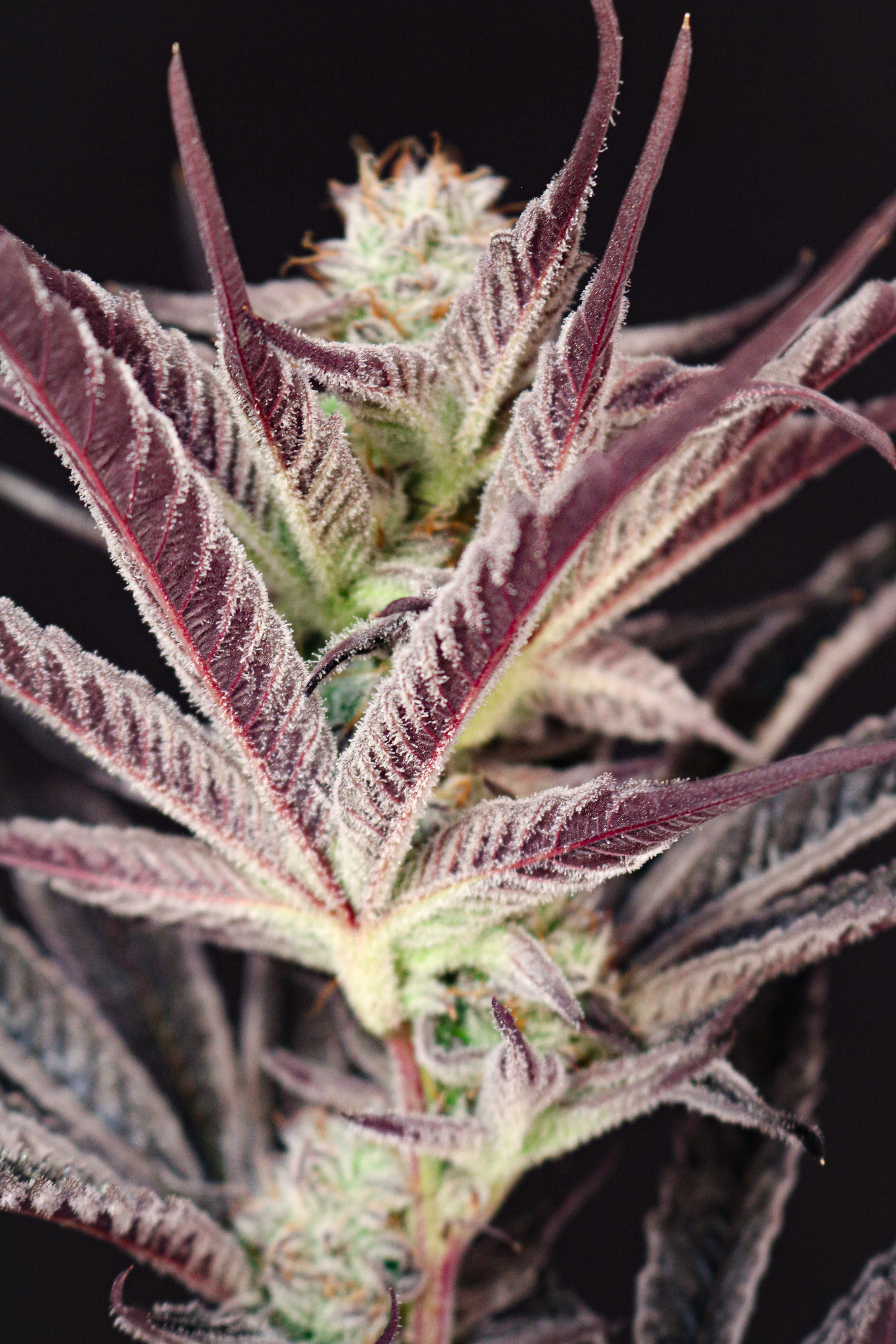
Key Qualities To Consider When Making Selections For Breeding
- Stem Thickness: Look at the stem. Is it thick or weak?
- Node spacing: Is the plant growing like a weeping willow with lots of stringy arms down each stem, or does the plant have small stackable sites?
- Leafiness: I prefer less leafy plants, or plants that when I defoliate the leaves simply snap with ease and a swift pluck. My preference is a canopy of buds, not excess leaf and that’s a goal I’m always working towards.
- Leaf Appearance: I observe the leaf shape, size, and color of veins.
- Bloom Stretch: How much does the plant stretch in flower?
- Sexual Stability: Did I ever see intersex traits?
- Bud Development: I observe how quickly or slowly the buds grow during the bloom phase.
- Turgor: Will the plant need staking or a trellis to help hold the plant up?
- Aroma: I observe the smell, both while the plant is alive and dry.
- Curing: Plants cure at different rates. I watch for the amount of time it takes to mature.
- Taste: Does the taste translate or is it different than the smell?
- “Grab-a-Jar Test”: If I keep going back to a particular jar, then I make a mental note of that.
- Current Catalog: I look for traits that are different than my current catalog: Uniqueness. Resin content. Color. Senescence. Anthocyanin.
- Color Manipulations: Does the plant stay green with temperature changes? Can the color change with temperature fluctuations or cool nights? Does a plant sitting next to fan affect the color, is it more vivid?
- Veg time: Is it slow, fast or average?
- Environmental Variance: Feedback from various other environments also aids in my selection process. Tent growers, greenhouses, outdoor, or boutique indoor. All of those growing conditions have value. I enjoy seeing the same genetic grown with various lighting and nutrients.
- Maintenance Level: Is the plant a set it and forget it style plant or does it require more time and labor?
- Container Preference: Does the plant thrive in smaller or larger pots?
- Feeding & Dry Backs: Does it eat light, or heavy? Does the plant prefer more or less water/feedings? What is the plant’s dry back response?
- Stress tolerance. What’s the plant’s ability to bounce back after stress?
- Commercial Viability: Can this genetic be grown at scale and produce consistent, predictable cycles?
- High: How are the effects?
- Seed Appearance: Size, shape, and color of seed produced are all a factor.
- Manipulation: Can I pull more terps with lower temps by creating less biomass?
- Trimming: How easy or hard is it to trim?
- Hash-Making Ability: How well does the plant do for extraction?
- Bud Structure: Are the buds squishy or dense?
But really, the biggest question I ask myself is: "Do I Love It?
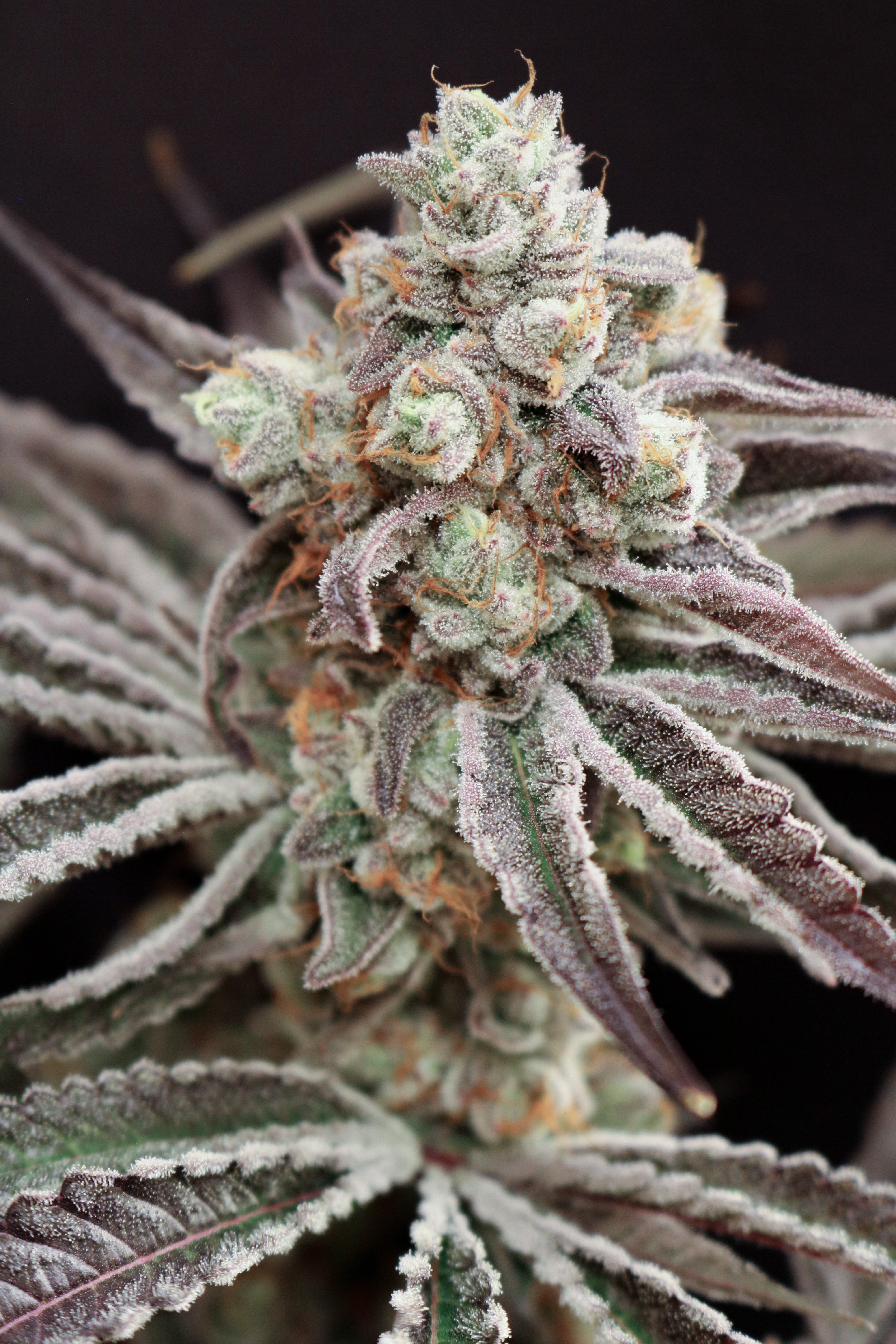
If something is good, it’s good.
I enjoy beautiful flowers; I’ll pick plants simply to make my grow room and the work more enjoyable just by them being there.
Could traits from one plant add something to another plant that’s missing this specific trait that I love? I find that important.
Some plants don’t have it all but are exceptional for one particular trait. If that trait could help another plant that I have, then it’s worth a try. Although I have intention with my selections, sometimes I get surprised. I enjoy being open to that. I’ve made some great crosses by accident, simply out of wonder, or without vision.
Part of the selection process involves making seed with my selection and growing the offspring.
How does this give me more information about the selections I’ve made?
Growing plants twice gives me a much better idea of the genetics I’m working with. Plants change and develop with time. I observe the overall plant vibe. Some plants just have weird vibes. My garden is a “no bad vibe” zone, so sometimes I’m a bouncer and have to kick plants out of the garden.
I hang out with plants a lot, so my selection process is simply picking plants that make me happy.
Plants are like people and they behave in all kinds of ways, both positive and negative.
In life, sometimes we don't have a choice in the people or energy around us. In a garden, the world is your oyster.
We get to handpick which plants we want to be around and spend time with.
I enjoy finding plants that always make me happy. My garden is a place that I go to avoid the things that get me down.
Life is a series of events and things I can’t control, but I must accept anyway. My garden is different.
My garden is a special place where the outcome is limited only by the tools and skills I have.
Somehow, with patience, dedication, tools, reinvestment, attention to detail, and a genuine love for the symbiotic relationship that I have with this plant, I’ve created a space of wonder and endless possibilities. It’s a place that I feel comfortable. A place where I connect to something living, and I can semi-control the outcome.
Growing wasn’t so easy at first. As a matter of fact, I’ve failed quite a bit when it comes to harvesting a room without hiccups.
Over time, my problem-solving skills have evolved, and I, too, have grown.
Now, my garden is more like a playroom for me; The hiccups I experience are far less these days. This gives me more time and freedom in the grow. That extra freedom and time gives me the opportunity to dream, to question, and to be curious and invested in my work.
Instead of worrying about how to fix something, I have time to observe my garden and plants in a different way.
Picking plants for breeding is not just selecting for terps, vigor or plant size; There’s an IT factor.
It has to speak to me. There’s a feeling, a connection and when it happens you know it.
It’s how I imagine a songwriter is with their music. They write hundreds of songs, but only certain ones make the album. I’ve made hundreds of strains/songs and I grow a majority of the seeds that I make, but only a few come to market.
Growing for me is about following my gut. Believing in the emotions each plant bestows upon me.
The selection process isn’t just steps to follow, it’s a feeling. It’s in my gut and I listen to it. It’s a creation. It’s a creation of space and time that I’ve built around me. I built my very own garden tailoring to the exact things that make me happy and I look for plants that make my world lighter and brighter.
I try to create magic and I believe that someday the magic I’ve created will find its way into the hands of someone who will know exactly what to do with it.
Until then, I’ll continue to create as long as I have inspiration.
Subscribe to our Substack to receive new content automatically
Grab a collector's edition of the ETHOS magazine in print HERE.